
Introduction
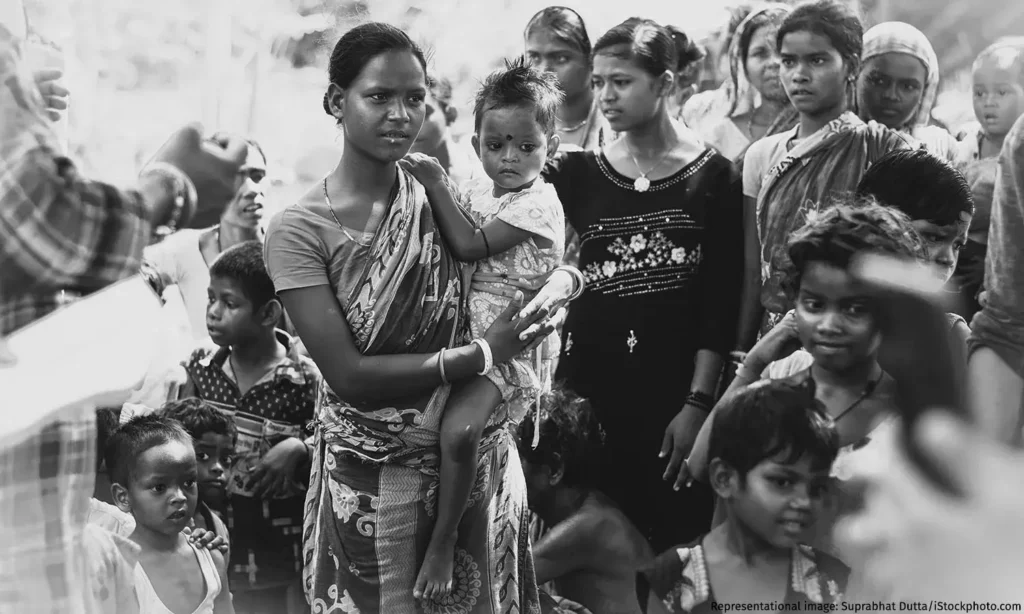
The tribals of India, often referred to as Adivasis (meaning “original inhabitants”), represent a vibrant mosaic of indigenous communities that have inhabited the subcontinent for millennia. Constituting approximately 8.6% of India’s population, or over 104 million people as per the 2011 Census, these groups are officially recognized as Scheduled Tribes (STs) under the Indian Constitution. Recent estimates suggest the figure has grown to around 104.5 million by 2025, reflecting India’s demographic expansion. Spread across diverse terrains from the dense forests of Central India to the hilly Northeast and the islands of Andaman and Nicobar, tribals embody a rich tapestry of cultures, languages, and traditions that predate modern state formations
The term “Adivasi” emerged in the 20th century as a self-identification tool, emphasizing their indigenous status and resistance to assimilation. India’s 705 officially notified ST communities include groups like the Gonds, Santhals, Bhils, and Nagas, each with unique socio-cultural identities.These communities have historically lived in harmony with nature, practicing subsistence agriculture, hunting, and gathering, while maintaining communal land ownership and egalitarian social structures.
However, the narrative of India’s tribals is not just one of cultural richness but also of marginalization. Colonial policies labeled them as “primitive” and exploited their resources, a trend that continued post-independence through development projects causing displacement. Today, tribals face challenges like poverty, health disparities, and land alienation, yet they contribute significantly to India’s biodiversity conservation and cultural diversity. Government initiatives, such as the Forest Rights Act (FRA) of 2006, aim to empower them, but implementation gaps persist. This essay explores the history, demographics, culture, socio-economic conditions, policies, challenges, and recent developments concerning India’s tribals, highlighting their resilience and the need for inclusive growth.
Historical Background
The history of India’s tribals traces back to prehistoric times, with evidence of their presence in ancient texts like the Ramayana and Mahabharata, where they are depicted as forest dwellers with distinct lifestyles. Archaeological findings, such as rock paintings in Bhimbetka, Madhya Pradesh, suggest tribal origins dating to the Mesolithic era, around 10,000 BCE. These communities, often Dravidian or Austro-Asiatic in lineage, lived in isolation, developing unique kinship systems, animistic religions, and oral traditions.
SOME TRIBAL HISTORY
During the Vedic period (1500-500 BCE), tribals were marginalized as “Dasyus” or outsiders by Aryan invaders, leading to cultural assimilation or retreat into forests. Medieval dynasties, including the Mughals, interacted variably—some integrated tribals as warriors, while others exploited their lands for revenue. The British colonial era marked a turning point, with the Permanent Settlement Act of 1793 and forest laws like the Indian Forest Act of 1878 alienating tribals from their ancestral territories. Colonizers classified them as “criminal tribes” under the Criminal Tribes Act of 1871, stigmatizing groups like the Bhils and Santhals, and used divide-and-rule tactics to suppress uprisings.
Tribal resistance was fierce: the Santhal Rebellion (1855-56) in Bihar against moneylenders and zamindars, the Munda Uprising (1899-1900) led by Birsa Munda in Jharkhand for land rights, and the Rampa Rebellion (1922-24) in Andhra Pradesh highlighted exploitation. These movements influenced nationalist leaders like Gandhi, who advocated for tribal self-rule.
Post-independence, the Indian Constitution recognized STs to rectify historical injustices, drawing from recommendations of earlier commissions. The Fifth and Sixth Schedules provided special protections for tribal areas, but development projects like dams (e.g., Sardar Sarovar) displaced millions, perpetuating colonial legacies. In the 20th century, anthropological studies by scholars like Verrier Elwin emphasized integration over assimilation, shaping policies like the Panchsheel principles for tribal development.
Recent historiography underscores how tribals’ oral histories and ecological knowledge challenge mainstream narratives. Despite progress, historical exploitation continues through mining and industrialization, fueling Naxalite insurgencies in tribal belts.
Demographics and Distribution
India’s tribal population is the world’s largest, with over 104 million STs as of 2011, projected to exceed 120 million by 2025 given population growth rates. The 2011 Census recorded 705 ST communities, with 75 Particularly Vulnerable Tribal Groups (PVTGs) facing extinction risks. Tribals are concentrated in Central and Northeast India, with states like Mizoram (94.4% ST), Meghalaya (86.1%), and Nagaland (86.5%) having the highest proportions. In absolute numbers, Madhya Pradesh leads with 15.3 million, followed by Maharashtra (10.5 million) and Odisha (9.6 million).
Geographically, tribals inhabit forested and hilly regions: the Central belt (Chhattisgarh, Jharkhand, Madhya Pradesh) hosts Gonds and Oraons; the Northeast (Assam, Arunachal Pradesh) features Nagas and Bodos; Western India (Rajasthan, Gujarat) has Bhils and Minas; and Southern states like Andhra Pradesh house Koyas. Island tribes like the Sentinelese in Andaman remain isolated.
Demographically, STs have higher fertility rates (2.5 children per woman vs. national 2.2) but lower literacy (59% vs. 73% national) and urbanization (11% urban vs. 31% national). Gender ratios are favorable (990 females/1000 males), but health indicators lag: infant mortality at 57/1000 births vs. 40 national. The upcoming 2027 Census, including caste data, may refine these statistics.
Cultural Diversity
India’s tribals boast immense cultural diversity, with over 200 languages from Austro-Asiatic, Dravidian, and Tibeto-Burman families. Social structures are often clan-based and egalitarian, with matrilineal systems in groups like the Khasis of Meghalaya. Animism dominates, blending with Hinduism or Christianity; festivals like Sarhul (Santhals) celebrate nature, while dances like Wangala (Garo) mark harvests.
Art forms include Warli paintings (Maharashtra tribals) depicting daily life, and bamboo crafts by Northeast tribes. Music features instruments like the dhol and oral epics passed through generations. Cuisine revolves around millets, wild edibles, and fermented drinks, promoting sustainability.
Religion varies: Bhils worship Bhagwan, while Andamanese follow ancestral spirits. Customs like dormitory systems (Morung in Nagas) foster youth education. Despite globalization, tribals preserve identities, though urbanization erodes traditions. Organizations like TRIFED promote tribal handicrafts, blending heritage with modernity.
Socio-Economic Conditions and Challenges
Tribals endure stark socio-economic disparities: 45% live below the poverty line vs. 21% national, with unemployment at 15%. Literacy gaps persist, especially among women (49% vs. 65% national), and access to healthcare is limited, exacerbating issues like sickle cell anemia.
Key challenges include land alienation: over 50% of development-induced displacements affect tribals, with projects like mining evicting 21 million since 1947. Exploitation by moneylenders leads to debt bondage, while gender-based violence rises in displacement scenarios. Ecological degradation from deforestation threatens livelihoods, and Naxalism in the “Red Corridor” stems from neglect.
Migration to urban areas exposes tribals to exploitation, with poor wages and slum living. Cultural erosion and discrimination compound issues, as seen in FRA implementation failures. Climate change intensifies vulnerabilities in forest-dependent communities.
Government Policies and Rights
The Constitution safeguards tribals via Articles 244 (Fifth/Sixth Schedules) for autonomous governance and 342 for ST listing. The FRA 2006 recognizes forest rights, benefiting over 2 million claims. The PESA Act 1996 empowers Gram Sabhas in Scheduled Areas for resource control.
Schemes like Vanbandhu Kalyan Yojana and Eklavya Model Residential Schools promote education and livelihoods. The Ministry of Tribal Affairs, with a 200% budget hike to Rs. 12,500 crore in 2025, funds health and infrastructure. Rights include land protections under the RFCTLARR Act 2013, requiring consent for acquisitions. However, enforcement lags, with NGOs advocating reforms.
Case Studies of Notable Tribes
The Gonds of Central India, numbering 13 million, exemplify resilience amid displacement from mining. In Chhattisgarh, Gond movements secured FRA titles, boosting agriculture.
The Nagas of the Northeast, with 16 sub-tribes, maintain vibrant festivals like Hornbill, but face insurgency-related challenges. Peace accords since 2015 have fostered development.
The Baiga PVTG in Madhya Pradesh resists relocation, leveraging FRA for conservation. The Paniya of Tamil Nadu, a PTG, battle poverty through education initiatives. These cases highlight adaptive strategies.
Recent Developments
In 2024-2025, the PM Janjatiya Unnat Gram Abhiyan targeted 63,000 tribal villages with Rs. 79,000 crore for infrastructure. Budget allocations tripled, funding startups and health programs. UNDP’s tribal portfolio enhanced capacities, while Jammu & Kashmir ST amendments expanded rights. Engagements like Dharti Aaba TribePreneurs showcased innovations.
Conclusion
India’s tribals are custodians of ancient wisdom, yet systemic inequities demand urgent action. Empowering them through robust policies and rights enforcement can foster inclusive development. As India progresses, honoring Adivasi heritage is key to an equitable future.
Comments